5 Home Surfaces You Should Never Clean with High Pressure
High-pressure cleaning is one of the most popular ways to refresh a home's exterior. In Rockhampton, where humidity, summer storms, red dust, mould, and intense UV exposure all take a toll on buildings, it is easy to see why many homeowners reach for a pressure washer. But while a powerful jet of water can do wonders on some surfaces, it can cause expensive and sometimes irreversible damage on others. Knowing which surfaces to avoid, and what to do instead, helps protect your property and your investment.
Why High Pressure Is Not Always the Right Choice
A typical domestic pressure washer produces between 1,500 and 3,000 PSI, and commercial machines can go well beyond that. At these pressures, water can strip paint, force moisture behind cladding, erode soft materials, and break down protective coatings. In a tropical-to-subtropical climate like Central Queensland, where wet-season rain and high humidity are already challenges for buildings, forcing extra water into the wrong places can accelerate rot, mould growth, and corrosion.
The five surfaces below are those most commonly damaged by high-pressure cleaning, along with safer alternatives that still deliver excellent results.
1. Timber Cladding, Weatherboards, and Soft Timber Decking
Many older Queenslanders and character homes in and around Rockhampton feature timber weatherboards, and timber decks are common across the region. Timber is a natural fibre, and high pressure damages it in several ways:
The risks
Pressure can gouge the soft grain, leaving furry, splintered, or streaky surfaces. It can also force water into joints and behind boards, where it may sit and encourage rot, termite-friendly conditions, and mould. On painted weatherboards, a strong jet can lift paint and expose bare timber to the weather.
A safer approach
Use a soft wash method, which combines low-pressure water with a suitable cleaning solution to break down mould, mildew, and grime. For decks, a soft-bristled brush and a timber-safe cleaner work well. If a pressure washer is used at all on hardwood decking, it should be on a very low setting with a wide fan tip held at a distance, and always working with the grain. After cleaning, allow https://gregorygjve833.hexaforgey.com/posts/how-to-clean-pavers-without-washing-away-jointing-sand the timber to dry fully before applying oil or sealer.
2. Roof Tiles and Tin Roofing with Aged Coatings
Roofs in Rockhampton endure intense sun, heavy rain, and occasional severe storms. Many owners notice black streaks, lichen, or mould and consider pressure washing the roof. This is risky for several reasons.
The risks on tiles
Concrete and terracotta tiles often have a surface glaze or coating that protects them and gives them colour. High pressure can strip this layer, making tiles more porous and prone to further staining. It can also crack aged or brittle tiles and force water up under the overlap, potentially into the roof cavity and ceiling insulation. Walking on a roof while operating a pressure washer is also a serious fall hazard.
The risks on metal roofing
On Colorbond and other coated steel roofs, aggressive pressure can damage the paint finish, lift edges of coating, and force water under flashings and ridge capping. Once the protective coating is compromised, corrosion can begin.
A safer approach
Professional roof cleaning uses low-pressure application of biodegradable treatments that kill mould and lichen at the root, followed by a gentle rinse. This protects the coating and extends roof life. Because of fall risk, roof work is best left to trained and insured professionals who use appropriate safety equipment.
3. Windows, Glass, and Fly Screens
It might seem logical that a strong water jet would clean dusty windows quickly, but glass and its surrounding components are more vulnerable than most people realise.
The risks
High pressure can crack glass, particularly if it has existing chips, stress fractures, or has been weakened by heat. It can also damage window seals and rubber gaskets, allowing water to enter between double-glazed panes or into wall cavities. Fly screens are especially fragile, as mesh can tear or stretch and frames can bend. Aluminium frames may also have their powder coating chipped.
A safer approach
Clean windows with a soft cloth or squeegee, a bucket of water, and a mild detergent. For tall or hard-to-reach windows, a water-fed pole system uses purified water and soft brushes to deliver a streak-free finish without harsh force. Fly screens can be removed and gently cleaned with a soft brush and soapy water.
4. Painted Surfaces, Render, and Older Masonry
Painted walls, textured render, and older brickwork or mortar are often assumed to be tough, but they can be surprisingly delicate under high pressure.
The risks
Paint that has weathered for years in Rockhampton's strong sun may already be chalky or beginning to flake. A pressure washer can quickly strip it back, leaving patchy areas and costly repainting. Acrylic render and textured coatings can be pitted or washed away. On older brick, high pressure can erode crumbling mortar joints and chip the face of soft bricks, while forcing water through hairline cracks into internal walls.
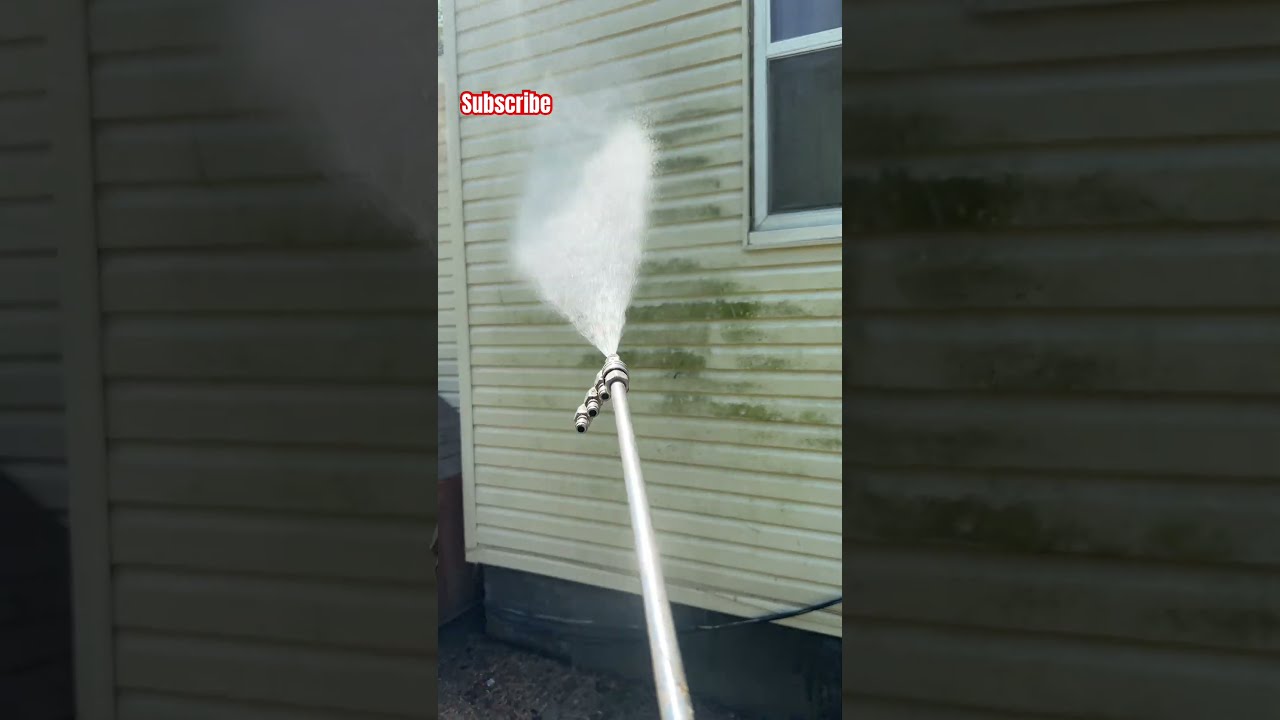
If the home was built before the late 1980s, old paint layers may also contain lead. Blasting these surfaces can spread hazardous paint particles into soil and waterways. Anyone unsure about the age or composition of their paint should seek professional advice before cleaning.
A safer approach
Soft washing is the preferred method for painted walls and render. It removes mould, algae, and dirt using a gentle rinse and appropriate cleaning agents, without stripping the finish. For brick and mortar, a low-pressure rinse and a masonry-safe cleaner are usually sufficient.
5. Solar Panels and Electrical Fixtures
Solar power remains very popular across Queensland, and keeping panels clean helps maintain efficiency. However, pressure washing is one of the fastest ways to cause damage.
The risks
High-pressure water can force moisture into panel seals, junction boxes, and wiring connections. It may also cause micro-cracks in the panel surface that are not immediately visible but reduce output over time. Using high pressure can also void manufacturer warranties, as most manufacturers specify gentle cleaning methods only. The same concern applies to external power points, meter boxes, outdoor lighting, air conditioning units, and security cameras, where water ingress can create electrical hazards.
A safer approach
Clean solar panels with soft brushes, low-pressure water, and a mild, non-abrasive cleaning solution, ideally in the early morning or evening when panels are cool. Avoid cleaning hot panels, as sudden temperature changes can stress the glass. For roof-mounted systems, engage a qualified professional who understands both panel care and roof safety. Around electrical fixtures, wipe with a damp cloth and keep water spray well away.
Quick Reference: Safer Alternatives
- Timber: soft wash, soft brush, timber-safe cleaner
- Roofs: low-pressure treatment by trained professionals
- Windows and screens: squeegee, cloth, or water-fed pole
- Paint, render, and older masonry: soft wash with suitable cleaning solutions
- Solar panels and electrical fixtures: soft brush, gentle rinse, manufacturer-approved methods
Where High Pressure Can Still Be Useful
High-pressure cleaning is not inherently bad. It remains effective on hard, durable surfaces such as plain concrete driveways, paths, and garage floors, provided the correct nozzle, distance, and technique are used. Even on these surfaces, a wide fan tip and consistent sweeping motion help prevent streaking, etching, and surface damage. Sealed concrete and pavers need extra care, as strong pressure can remove sealant and loosen sand between joints.
Tips for Cleaning Safely in Rockhampton
- Identify the surface first. Check the material, age, and condition before choosing a method.
- Start with the gentlest option. Move up in pressure only if needed, and test a small hidden area.
- Keep your distance. Holding the nozzle further from the surface reduces force significantly.
- Avoid spraying upward. Water directed under eaves, cladding, or roofing can drive moisture into cavities.
- Consider the weather. Clean during dry, mild periods and allow surfaces to dry before painting or sealing, especially ahead of the wet season.
- Protect gardens and drainage. Cleaning runoff should not carry chemicals or debris into stormwater drains and local waterways.
- Know when to call a professional. Roofs, solar panels, two-storey walls, and older homes are best handled by experienced, insured cleaners.
Final Thoughts
A pressure washer can be a handy tool, but it is not a one-size-fits-all solution. Timber, roofs, windows, painted or rendered walls, and solar panels all need a more careful approach to avoid costly repairs and maintain their lifespan. By choosing soft washing and low-pressure methods where appropriate, Rockhampton homeowners can keep their properties looking great while protecting them against the region's demanding climate. When in doubt, speaking with a local exterior cleaning specialist can help you choose the right method for your home's specific materials and condition.
Capricorn House Washing
0482 073 600